
Blog Posts
Why Construction Teams Still Rely on Two-Way Radios…over…
Why Construction Teams Still Rely on Two-Way Radios…over…
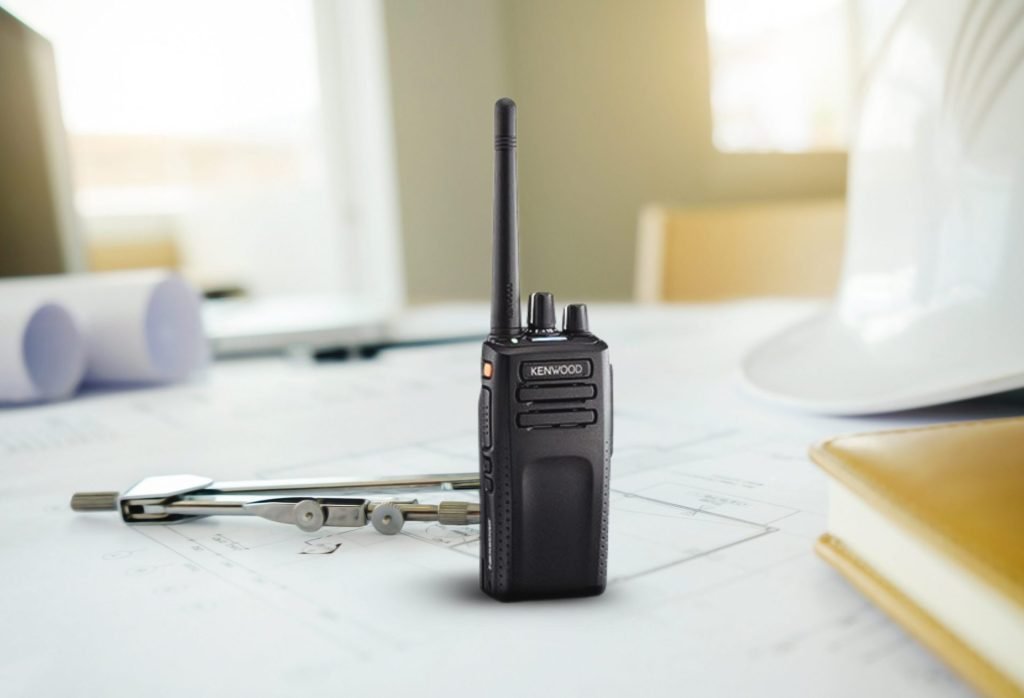
In an era dominated by smartphones, tablets, and cutting-edge communication apps, you might expect construction teams to abandon two-way radios altogether. Yet here we are in 2025, and walkie-talkies remain a fixture on job sites across the globe. From towering skyscrapers to massive infrastructure projects, you’ll still find workers with a radio clipped to their vest or hanging from their belt.
The question is — why?
Let’s break down the reasons two-way radios continue to be the communication backbone of the construction industry.
Not Everyone Owns a Smartphone
While smartphones are common, not every crew member owns one — or wants to risk damaging it on-site. With two-way radios, the solution is simple: leave a radio in the field, and anyone on the team can grab it to communicate instantly. No SIM cards, no logins, no personal data needed.
Instant Communication Without Network Dependence
Construction sites are often in remote, partially built, or underground locations where cell signal can be spotty — or nonexistent. Two-way radios bypass the need for cellular towers or Wi-Fi, delivering instant, push-to-talk communication at the press of a button.
This is crucial when every second matters. Whether it’s coordinating crane lifts, alerting a safety issue, or guiding heavy machinery operators, radios allow teams to communicate immediately without dialing numbers or waiting for apps to load.
Built for Rugged, Harsh Environments
Construction sites are tough — on people and on equipment. Smartphones, even with rugged cases, can crack, glitch, or die in extreme weather conditions.
Two-way radios are designed to take a beating. They’re built to resist dust, dirt, water, and drops from several feet. Many are rated with IP (Ingress Protection) standards, meaning they can handle rainstorms, mud, and debris without missing a beat. In short, they’re built for the real-world conditions construction crews face every day.
Group Communication Made Easy
Unlike phone calls, which are one-to-one, two-way radios allow one person to instantly talk to an entire group. This “one-to-many” feature is perfect for:
- Giving project-wide updates
- Coordinating deliveries
- Issuing safety alerts
- Managing multiple teams on different sections of a site
This group efficiency can’t be matched by most consumer devices — it’s a direct line to everyone who needs to hear the message, all at once.
Reliability During Emergencies
When emergencies strike — whether a sudden weather change, equipment malfunction, or injury — construction teams can’t risk waiting on unreliable mobile networks.
Two-way radios maintain communication even during network outages, power failures, or in disaster recovery situations. Many radios also have emergency alert buttons and man-down features that instantly signal help to supervisors or safety officers.
Long Battery Life for Long Shifts
Construction shifts often run 10-12 hours, sometimes longer. Even the most modern smartphones will struggle to last that long with heavy use, especially in extreme temperatures.
Professional two-way radios are designed with battery life that can extend well beyond a full shift. Spare batteries can also be swapped in seconds — no waiting for a recharge.
Cost-Effective Over the Long Term
While rugged smartphones and specialized construction apps have their place, they also require data plans, constant updates, and ongoing maintenance.
Two-way radios, once purchased, have no recurring fees (other than occasional battery or accessory replacements). Over the course of years, this makes them a cost-efficient investment for large construction crews.
Integration with Modern Tech
2025 radios aren’t the same as the bulky walkie-talkies of the past. Today’s models integrate with Bluetooth headsets, noise-canceling microphones, and even GPS tracking. Some can connect with smartphone apps, enabling hybrid communication when needed.
This blend of old-school reliability and modern enhancements makes them even more relevant in today’s connected job site.
Conclusion
Construction work is a fast-paced, high-stakes environment where delays, misunderstandings, or missed messages can cost time, money, and even lives. While smartphones and apps have transformed many industries, two-way radios remain irreplaceable for their reliability, ruggedness, instant communication, and cost-effectiveness.
In 2025, the construction industry continues to prove that when it comes to job site communication, sometimes the most trusted tools stand the test of time — and technology.
If you’re ready to strengthen your team’s communication, now is the time to invest in a reliable two-way radio system. The right radio can make all the difference in safety, efficiency, and productivity on your job site — and we’re here to help you find it.
Visit our website at buyradiosusa.com to explore our full range of high-quality two-way radios designed for construction and other demanding industries.
For personalized recommendations or to speak directly with our sales team, email us at sales@buyradiosusa.com. We’ll work with you to ensure you choose the best radio for your team’s needs, budget, and environment.
