
Blog Posts
… Two Way Radio or Walkie Talkie … What’s The Difference? … over …
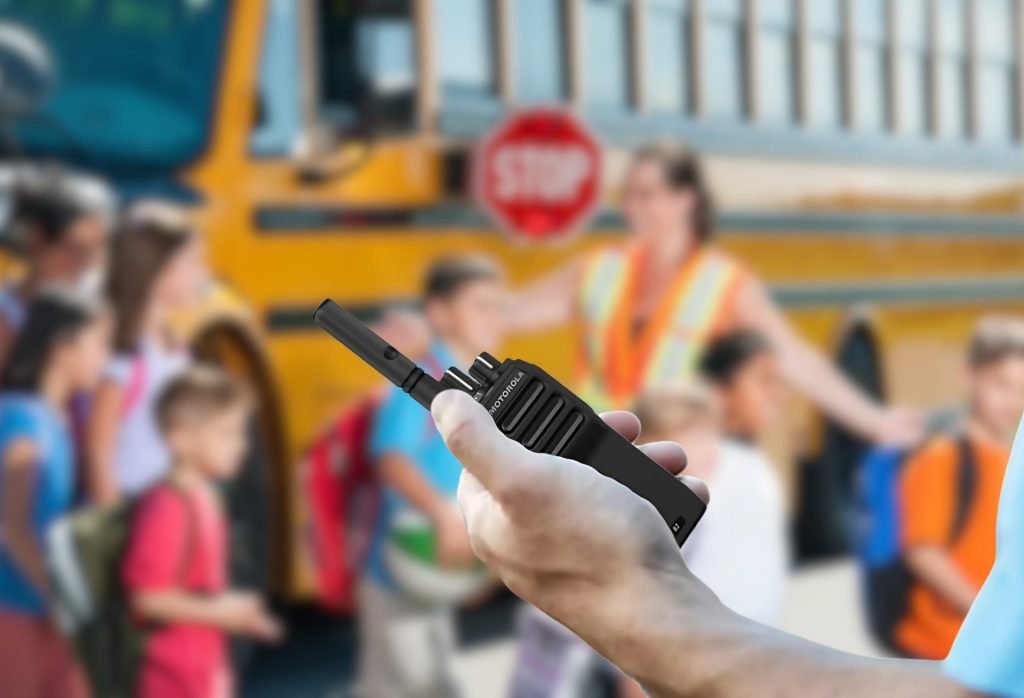
Two-Way Radios:
Also known as transceivers, two-way radios offer the following features:
Extended Range: They can communicate over longer distances, making them suitable for various scenarios.
Robust Features: Two-way radios come with advanced functionalities, including encryption, channel scanning, and hands-free operation.
Emergency Alerts: They can send emergency signals, ensuring quick response in critical situations.
Group Communication: Ideal for team coordination, they allow multiple users to communicate simultaneously.
Commonly used in commercial, industrial, and public safety environments where reliability and coverage are crucial.
 (Image of Two-Way Radios)
Walkie-Talkies:
These handheld devices are simpler and more compact:
Smaller and Lighter: Walkie-talkies are portable and easy to carry.
Shorter Range: They operate over shorter distances, suitable for close-range communication.
Basic Features: Walkie-talkies provide essential functions like push-to-talk and voice communication.
Best suited for outdoor activities such as hiking, camping, and hunting due to their convenience and lightweight design.
Walkie-Talkies are generally more affordable than two-way radios.
 (Image of Walkie-Talkies)
In summary, two-way radios are the go-to choice for professional settings, while walkie-talkies are perfect for recreational use and short-distance communication. 📻🚶♂️
